


567JL | Exploring the Fascinating World of Strategy Games
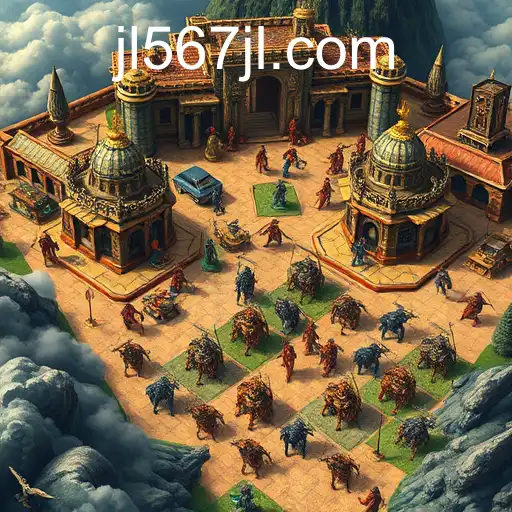
Strategy games, often celebrated for their complexity and depth, stand out as a distinct category in the gaming world. With the keyword "567JL" identifying this category on certain gaming platforms, strategy games entice players with the promise of intellectual challenges, requiring careful thought, planning, and execution to achieve success.
The essence of strategy games lies in their ability to transport players into immersive worlds where each decision carries significant weight. Unlike other game genres that may focus on reflexes or chance, strategy games necessitate a deliberate approach to problem-solving. These games range in sub-genres from turn-based strategy, where players must plan each move meticulously, to real-time strategy, which demands quick thinking and adaptability.
A defining feature of strategy games is their replay value. Games like 'Civilization,' 'Age of Empires,' and 'StarCraft' have captivated millions with their endless scenarios and strategic possibilities. Whether managing resources, building armies, or negotiating alliances, players must continually refine their tactics and re-evaluate their strategies based on in-game developments.
Online multiplayer capabilities have further elevated the appeal of strategy games. Competing against human opponents adds a layer of unpredictability and excitement, as players must adapt their strategies to counter the unique playstyles of their adversaries. This dynamic environment keeps players engaged, fosters communities, and encourages friendly competition.
Moreover, strategy games are celebrated for their educational benefits. They enhance critical thinking, improve decision-making skills, and introduce players to historical contexts and complex systems. Not just games; they are tools for learning and growth.
In recent years, the strategy game genre has adapted to technological advancements, with developers creating visually stunning graphics and incorporating artificial intelligence that challenges players with lifelike scenarios. Mobile platforms and indie developers have also contributed significantly, making strategy games more accessible to a broader audience.
In conclusion, strategy games hold a unique place in the gaming landscape, offering both entertainment and intellectual stimulation. With their ability to engage players deeply, provide educational value, and evolve with technology, strategy games continue to thrive as a beloved genre for gamers worldwide.
